



Special Collections:
Indigenous Peoples Month


This documentary examines the implications of treaties on Native sovereignty, cultural survival, and the rights to hunt, fish, and gather. Through Native voices and historical insights, it highlights a key debate: are tribal members exercising inherent rights or seeking state authorization through permits?
Featuring interviews and on-the-ground reporting, the film portrays treaty rights as vital commitments affecting families and communities today. It emphasizes the connection between wild rice harvesting and identity, spirituality, and responsibility to future generations. The documentary also addresses the 1855 treaty and off-reservation harvesting rights, exploring the difference between retained rights and granted privileges. Content note: It includes discussions of historical trauma and colonial violence, reflecting the views expressed at the time of recording.

Elizabeth Warren advocates for a fundamental reset in the relationship between the federal government and Tribal Nations, emphasizing the need for honoring sovereignty, treaty obligations, and essential services through action. During her 2020 presidential campaign, she envisions a government-to-government partnership based on respect, accountability, and sustained investment, urging the U.S. to change structures that have historically failed Native peoples.
Introduced by Deb Haaland, Warren acknowledges the resilience and innovation in Indian Country and offers a personal apology for past harms. She frames her proposals as obligations rooted in trust and treaty relationships, advocating for full funding in housing, health care, education, and infrastructure. Warren stresses that a meaningful nation-to-nation relationship requires dependable federal commitments, linking Tribal sovereignty with the necessary resources to address urgent community needs.

In this engaging and humorous talk, Don Coyhis tells the story of two young eagles raised as chickens, exploring themes of cultural identity and the impact of forced assimilation. As they grow in a chicken coop, they struggle with their true nature, prompting a journey of self-discovery.
Coyhis emphasizes the importance of guides and community in recognizing one's inherent strength. This narrative serves as a powerful metaphor for cultural survival and healing, encouraging viewers to reconnect with their identities and embrace their true selves. Join Coyhis in this inspiring reflection on the courage needed to break free from limitations and soar.

In this testimony, Melvin Lee Houston reflects on the ongoing search for the remains of 38 Dakota men who were hanged. He emphasizes the struggle to recover what was taken and the responsibility to remember those whose families still seek answers. For Houston, this is not just history; it represents a continuing loss expressed in the urgent question: Where are their bodies?
Houston calls for accountability, questioning how institutions can maintain records while failing to account for the men’s bodies. He urges a deeper inquiry into what information remains undisclosed and who is responsible for helping families find closure. This video addresses sensitive topics, including execution and the treatment of ancestral remains.

In this conversation, Melissa Walls defines historical trauma and its lasting effects, particularly within Indigenous communities. She emphasizes that the term "historical" does not imply that the trauma is over, as it continues to manifest through ongoing oppression and discrimination.
Walls highlights that while historical trauma originates in the past, its impact is still evident today. This video serves as a valuable resource for those new to the concept, including students and educators, and encourages further discussion on the topic. It also acknowledges the importance of healthy debate surrounding historical trauma among scholars and communities.

Wounded Knee represents a deep connection to community, memory, and the ongoing struggle for dignity for Mike Her Many Horses. In this video, he discusses the events leading to the 1890 Wounded Knee Massacre and reflects on the legacy of the 1973 occupation.
Mike explores the historical context of land struggles, the impact of buffalo destruction, and government pressures on his people. He highlights how these factors affected daily survival and community resilience. Additionally, he shares insights on the Ghost Dance, a spiritual movement symbolizing hope for restoration and freedom, set against the backdrop of government intervention and the tragic journey of Chief Big Foot’s people.
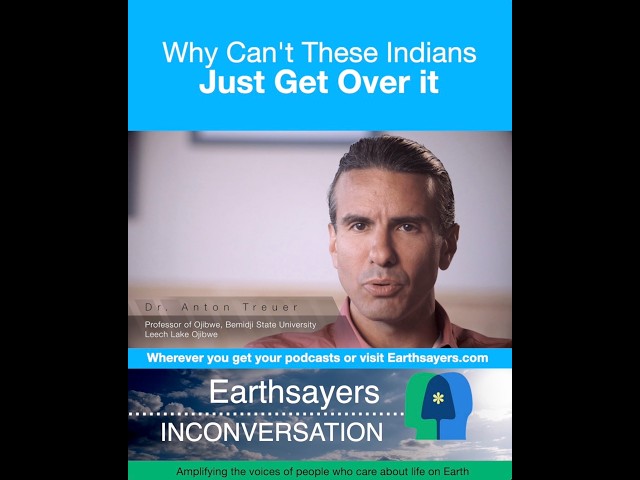
This episode explores why Native peoples are often urged to "get over" historical trauma, despite its lasting impact on their lives. Anton Treuer and Rick McArthur share their insights on reconciliation and the ongoing realities of Indigenous experiences, encouraging listeners to move towards understanding and accountability.
Reflect on their shared experiences to foster respect, build stronger relationships, and inspire action in our communities for future generations. The discussion features Anton Treuer, a professor and editor, and Rick McArthur, an AIM activist and legal advocate.
Segments are drawn from the documentary Dodging Bullets on Historical Trauma.

“Dodging Bullets—Stories from Survivors of Historical Trauma” is a new film exploring the profound impact of generational oppression and trauma on Native Americans. It examines the loss and remarkable resilience of Indigenous communities.
The film reveals how historical trauma, stemming from first contact with Europeans, contributes to disproportionately high health and social issues among Indigenous populations. It features cross-generational perspectives from Native people, researchers, and politicians, highlighting the unique challenges resilient communities continue to face.
Watch “Dodging Bullets” on AppleTV and Prime Video.
Environmental Scientist and Advocate

