




Special Collections:
Life on Earth
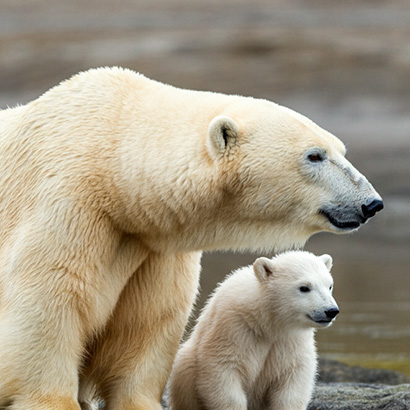

JADE collaborates with renowned composer Hans Zimmer for the original title track of Blue Planet III. Sir David Attenborough guides us deeper into the oceans, unveiling extraordinary stories from beneath the waves.
The main theme and original music are by Hans Zimmer and Thom Lukas for Bleeding Fingers Music, featuring Victoria Canal. The track "Seas Cry" includes lyrics by Jade Thirwall, Pablo Bowman, and Fin Dow-Smith, with additional music by Ho-Ling Tang.
Subscribe for updates: BBC Earth Subscription. For the latest news, sign up for our newsletter at BBC Earth Newsletter.

Explore the mysterious midnight zone of the ocean, where unusual sea creatures and glowing jellyfish create a mesmerizing spectacle. Join us at BBC Earth for captivating stories and stunning natural wonders.
Subscribe for updates at BBC Earth and sign up for our newsletter at BBC Earth Newsletter. Discover more with our curated playlists, including the Best of BBC Earth and Planet Earth III.

Two mustang stallions engage in a fierce battle in the Nevada desert, competing for dominance, water, and a potential mate.
Subscribe to BBC Earth for the latest updates: http://bit.ly/BBCEarthSub. Explore more captivating content, including the Best of BBC Earth and Best Animal Fights. Join our newsletter for exclusive news: https://www.bbcearth.com/newsletter.

The SpaceX land swap has raised many questions, particularly regarding its impact on the Lower Rio Grande National Wildlife Refuge. Concerns include how SpaceX is acquiring land designated as a refuge and whether the public is losing more land than it gains.
SpaceX plans to build a rocket launch testing facility, threatening endangered species in the area. The Center for Biological Diversity is currently in court against the U.S. Fish and Wildlife Service to challenge the legality of this land transfer. Support is needed to help win this critical fight.

BREAKING: We have won! All border wall and road construction in the Big Bend region is now halted. This is a significant victory for the resilient and beautiful community of Big Bend.
I am overwhelmed with emotion and gratitude. More updates will follow soon.

This leopard, capable of reaching speeds of 65 km/h, is a skilled predator, poised to strike at the right moment. In contrast, an extraordinary octopus from northern Australia hunts crabs on land, showcasing remarkable survival strategies.
Explore more captivating content from BBC Earth, where you can find 50 years of natural history stories. Subscribe to our channel at BBC Earth and sign up for our newsletter at BBC Earth Newsletter.

Experience extraordinary wildlife encounters in the Arctic, where a hungry polar bear ambushes a seal and a wolf pack hunts an agile hare.
Subscribe to BBC Earth for captivating natural history content: Subscribe. Stay updated with our newsletter: Newsletter. Explore more with our playlists: Best of BBC Earth, Best Animal Fights, Videos over 10 minutes, Planet Earth III, Frozen Planet II, and Blue Planet II in 4K.

Cooper Freeman, the Center’s Alaska Director, is documenting the proposed Johnson Tract Mine project and its potential impact on the wild landscapes of Lake Clark National Park. This area is vital for clean water, salmon runs, endangered Cook Inlet belugas, and various wildlife.
The mine poses risks of severe water pollution and industrial noise, threatening the pristine habitats that wildlife rely on. Protecting national parks also means safeguarding the surrounding ecosystems. Support our efforts to stop this project: https://biodiv.us/4hRnNAi.
The Center for Biological Diversity is a nonprofit based in Tucson, Arizona, dedicated to preserving the diversity of wild animals and plants. We believe that human welfare is closely tied to nature, and we strive to protect species at risk of extinction through science, law, and creative media.
Our mission is to ensure future generations inherit a vibrant natural world. Connect with us on our website, Twitter, Facebook, Instagram, and TikTok. For inquiries, email us at center@biologicaldiversity.org.
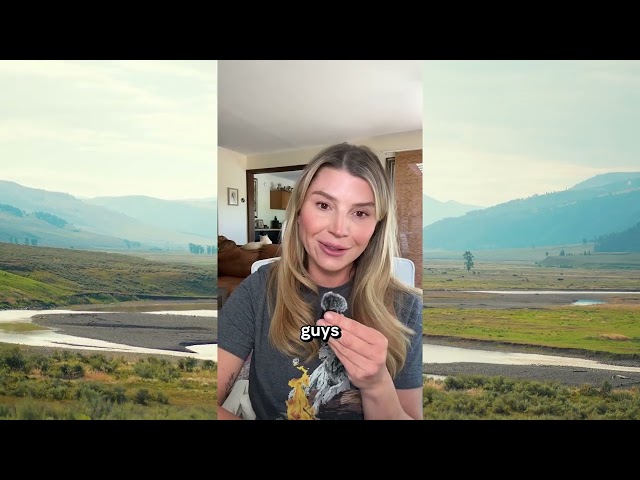
Four wolves have been killed in Wyoming’s Hunt Areas 1 and 2, where Yellowstone’s Mollie’s pack has been sighted this year. The hunt zones are now closed, and it remains unclear if any of the killed wolves were from the pack until Wyoming releases its report in the spring.
Over 113,000 messages have called for the protection of Mollie’s pack, Yellowstone’s longest-established wolf family. We are bringing these voices to the Wyoming Game and Fish Commission meeting this week, advocating for the closure of hunting areas that threaten the pack. Mollie’s pack, led by the 12-year-old matriarch 1090F, has inspired many and contributed to science for decades. We are also pursuing legal action to restore federal protections for Northern Rockies wolves.

What if the solutions to building a better future already exist? How to Live on Earth is an ambitious documentary that explores how humanity can create a thriving future by collaborating with nature. Presented by Benedict Cumberbatch, the film reveals the potential of teaming up with nature to address our greatest challenges.
Heartwarming and energizing, it offers a hopeful vision for a future where both nature and humanity can thrive. How to Live on Earth is produced by Open Planet Studios in association with Villars Institute Foundation and Silvania. Join the conversation by downloading film assets and sharing your reaction at howtoliveonearth.net/social-toolkit. Explore educational resources from the Villars Institute at YouTube.

The Darwin’s bark spider can create an orb web up to 25 meters wide using some of the toughest silk in nature. In contrast, the Portia genus of jumping spiders can leap up to 50 times their body length.
Subscribe to BBC Earth for the latest updates: http://bit.ly/BBCEarthSub. Explore more content, including the best of BBC Earth, animal fights, and series like Planet Earth III and Frozen Planet II.

Explore the challenges faced by remarkable birds like the resplendent quetzal and turquoise-browed motmot as they find food, secure homes, and raise families.
Subscribe to BBC Earth for the latest updates: http://bit.ly/BBCEarthSub. Sign up for our newsletter at https://www.bbcearth.com/newsletter. Discover more with our curated playlists: Best of BBC Earth, Best Animal Fights, and more.

This nocturnal assassin, no larger than a ping-pong ball, hunts in the Namib Desert by night, using vibrations beneath the sand to locate its hidden prey.
Subscribe to BBC Earth for the latest updates: http://bit.ly/BBCEarthSub. Explore more content, including the Best of BBC Earth and Planet Earth III. Discover the beauty and wonder of nature with 50 years of captivating natural history stories.

Wolf hunting season has begun in Wyoming, raising concerns for wolves in the Northern Rockies. While wolf packs like Mollie’s are protected within Yellowstone National Park, they face danger once they enter the Trophy Hunting Zone.
Next week, we will advocate for Mollie’s pack in front of the Wyoming Game and Fish Commission in Evanston, Wyoming. This historically significant pack needs our support. Join us in urging the Commission to protect these wolves by following the link in our bio.

Animals embark on epic migrations across diverse landscapes in search of food, safety, and breeding opportunities. For many species, each mile traveled can mean the difference between life and death.
Highlights include the 13,000 km trek of Adélie Penguins, the migration of 100 million Monarch Butterflies, and the journey of 50 million Red Crabs to the sea. Discover the mysteries of the Kalahari Zebra migration and the challenges faced by Elephant herds.
Subscribe to BBC Earth for more incredible stories: http://bit.ly/BBCEarthSub. Explore more content at BBC Earth Newsletter.

In Ghana, the protection of turtles relies on community involvement.

As bison anticipate the arrival of spring, a solitary wolf risks everything for love. Experience some of Yellowstone's most stunning wildlife moments.
Subscribe to BBC Earth for more content: http://bit.ly/BBCEarthSub. Stay updated with our newsletter: https://www.bbcearth.com/newsletter. Explore more videos, including the Best of BBC Earth here, and check out our playlists for Planet Earth III here and Frozen Planet II here.

The administration has dealt a significant blow to the Endangered Species Act, further weakening it this summer. The U.S. Fish and Wildlife Service aims to make it easier to kill imperiled wildlife by removing accountability for accidental deaths of endangered species.
However, claiming "it wasn’t intentional" does not prevent extinction. We must not allow the administration to undermine our essential environmental protections. Join us in the fight to save endangered species.

Yellow crazy ants have triumphed in a fierce battle, using a chemical attack to overpower red crabs.
Subscribe to BBC Earth for more amazing content: http://bit.ly/BBCEarthSub. Stay updated with our newsletter: https://www.bbcearth.com/newsletter. Explore more videos, including the Best of BBC Earth here and check out our playlists for Planet Earth III here and Frozen Planet II here.
Environmental Scientist and Advocate
What EarthSayers stands for
Discover Diverse Voices on EarthSayers
Unlike algorithm-driven platforms that push you into a content bubble, we ensure you hear a variety of perspectives from scientists, activists, Indigenous leaders, business innovators, and everyday citizens working toward sustainability.
EarthSayers CINEMA
Watch, learn and lead—sustainability starts with you.
How to Live on Earth | Feature Documentary | Presented by Benedict Cumberbatch
What if the solutions to building a better future already exist? How to Live on Earth is an ambitious documentary that explores how humanity can create a thriving future by collaborating with nature. Presented by Benedict Cumberbatch, the film reveals the potential of teaming up with nature to address our greatest challenges.
Heartwarming and energizing, it offers a hopeful vision for a future where both nature and humanity can thrive. How to Live on Earth is produced by Open Planet Studios in association with Villars Institute Foundation and Silvania. Join the conversation by downloading film assets and sharing your reaction at howtoliveonearth.net/social-toolkit. Explore educational resources from the Villars Institute at YouTube.

