




Special Collections:
Food Security
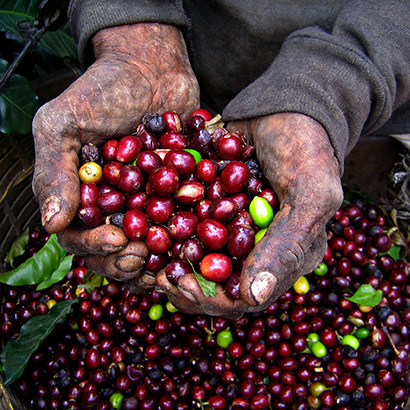
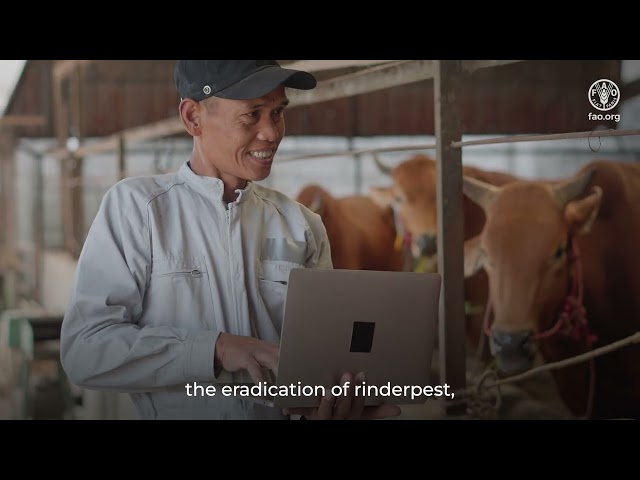
Transboundary animal diseases pose significant threats to food security, livelihoods, and economies globally. As these risks grow more complex, it is crucial to foster partnerships and invest in animal health to create resilient agrifood systems.
This video presents the Global Partnership Programme for Transboundary Animal Diseases (GPP-TAD), a country-led initiative aimed at preventing and controlling these diseases through a One Health approach. By uniting governments, organizations, and stakeholders, GPP-TAD ensures resources are allocated effectively for maximum impact. Learn more at FAO.


Agrifood systems transformation presents a significant opportunity to enhance diets, health, livelihoods, equality, and the environment.
Stay updated by subscribing to our channel: Subscribe. Follow FAO on social media: Facebook, Instagram, LinkedIn, TikTok, Twitter, and Weibo. Visit our website: FAO.

Agrifood systems offer solutions to major global challenges, but realizing their potential requires innovative collaboration. The FAO supports countries in coordinating efforts to achieve better outcomes for people and the planet.
Stay connected by subscribing to the FAO YouTube channel: Subscribe. Follow FAO on social media: Facebook, Instagram, LinkedIn, TikTok, Twitter, and Weibo.
© FAO: www.fao.org #SDGs #Agenda2030 #GlobalGoals

Agrifood systems transformation presents a significant opportunity to enhance diets, health, livelihoods, equality, and the environment.
Subscribe to our channel: FAO on YouTube. Follow FAO on social media: Facebook, Instagram, LinkedIn, TikTok, Twitter, Weibo. Visit us at FAO. #SDGs #Agenda2030 #GlobalGoals

The project aims to enhance the understanding and skills of regional actors in addressing the effects of the El Niño phenomenon on food security and livelihoods. It focuses on promoting adaptation, mitigation, and resilience strategies within agrifood systems and communities in Latin America and the Caribbean.
For more information, visit FAO. © FAO: www.fao.org #SDGs #Agenda2030 #GlobalGoals
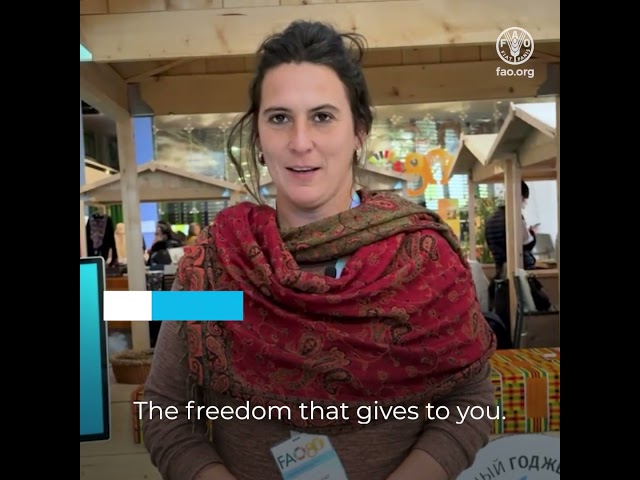
From the Arctic's white rangelands to Central Asia's grasslands, pastoralists share stories that define their lives. "Being a pastoralist gives me freedom." This way of life represents more than just a livelihood; it embodies heritage, identity, and a connection between past and future.
In the International #YearOfRangelandsAndPastoralists, explore their inspiring stories of belonging. Subscribe to our channel here and follow FAO on social media: Facebook, Instagram, LinkedIn, TikTok, Twitter, Weibo.
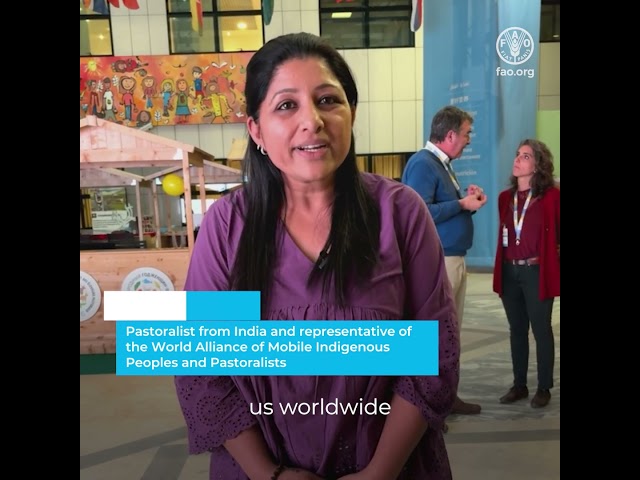
Pastoralists are uniting globally to share knowledge and develop solutions for a resilient future for both people and rangelands. Their voices are crucial in the International #YearOfRangelandsAndPastoralists, emphasizing the need for connection and visibility.
Join the movement by listening to and amplifying their stories. For more information, visit FAO's website. Subscribe to our channel here and follow FAO on social media: Facebook, Instagram, LinkedIn, TikTok, Twitter, and Weibo.

Resilient agrifood systems are essential for maintaining food production amid challenges such as climate change, conflict, economic uncertainty, and political instability.
Stay updated by subscribing to our channel: FAO on YouTube. Follow us on social media: Facebook, Instagram, LinkedIn, TikTok, Twitter, and Weibo. Visit our website at FAO.

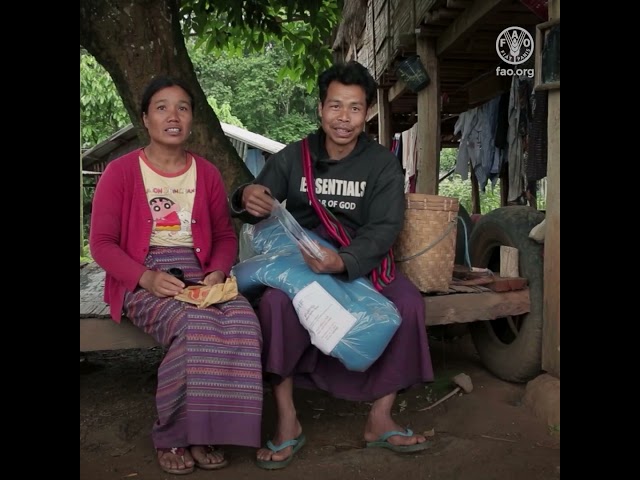
In Myanmar, nearly one-third of the population is facing acute food insecurity due to conflict and displacement, which disrupts livelihoods. The FAO, with support from the Myanmar Humanitarian Fund, is providing life-saving assistance to vulnerable households to help restore food production.
FAO has started distributing agricultural kits and offering technical assistance for home gardening. An investment of just USD 40 in an agricultural kit allows a household to produce approximately 120 kg of vegetables, valued at USD 175 in the local market. For farming households, agriculture is essential for survival.
Subscribe! YouTube | Follow FAO on Facebook, Instagram, LinkedIn, TikTok, Twitter, Weibo

With the right support, #ForgottenCrops can transform into opportunity crops. In Malawi, @FAO is helping farmers cultivate drought-tolerant crops like sorghum and cowpeas to enhance nutrition, boost livelihoods, and increase climate resilience.
Discover how the Addressing Water Scarcity in Agriculture and the Environment (AWSAMe) initiative combines innovation and science with traditional and indigenous practices to create more resilient agrifood systems. Learn more here: https://bit.ly/4yCqtbj

Malawi is enhancing its monitoring of climate adaptation through the Monitoring, Evaluation and Learning Framework for Ecosystem-Based Adaptation in Forests and Agriculture (MELBA) Project. Supported by the Government of Norway and the Food and Agriculture Organization of the United Nations (FAO), this initiative aims to improve data collection and analysis to track progress and bolster resilience.
Stay connected with FAO on social media: Facebook, Instagram, LinkedIn, TikTok, Twitter, and Weibo. For more information, visit FAO.
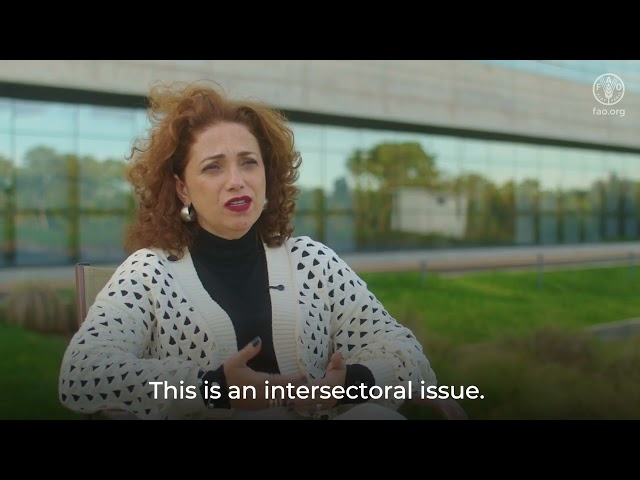
This video examines how cities can transform agrifood systems through the Feeding Cities (Alimenta Cidades) strategy. It emphasizes the integration of food security, climate action, biodiversity, and social equity via coordinated efforts among government levels and civil society. Featuring insights from policymakers, researchers, and urban farmers, the video illustrates how these actions enhance access to healthy food, support family farming, and tackle food deserts in Brazil's largest cities.
It highlights the significance of policy coherence in reshaping agrifood systems, demonstrating that integrated public policies can effectively reduce hunger, promote sustainability, and ensure inclusivity. Learn more about this initiative at FAO.

En la Gran Sabana, estado Bolívar, FAO Venezuela, con el apoyo del Fondo Central para la Acción en Casos de Emergencia (CERF) y OCHA, trabaja para mejorar la seguridad alimentaria y nutricional de las mujeres indígenas Pemón. La iniciativa incluye componentes productivos, financieros y sociales que fomentan la sostenibilidad y resiliencia comunitaria.
A través de la formación en oficios y la creación de Zonas Productivas Comunitarias, las participantes promueven la producción y comercialización de productos tradicionales como el casabe y artesanías. Estas acciones benefician la economía familiar y comunitaria, preservando los saberes ancestrales y apoyando el desarrollo sostenible del pueblo Pemón.
Subscribe! YouTube | Follow FAO on Facebook, Instagram, LinkedIn, TikTok, Twitter, Weibo

This video discusses the advantages of an elevated goat corral, emphasizing its role in enhancing goat health, hygiene, and productivity. It showcases effective livestock management practices that safeguard animals, minimize disease risks, and streamline daily farm operations.
Subscribe to our channel here! Follow FAO on social media: Facebook, Instagram, LinkedIn, TikTok, Twitter, and Weibo. © FAO: www.fao.org #SDGs #Agenda2030 #GlobalGoals
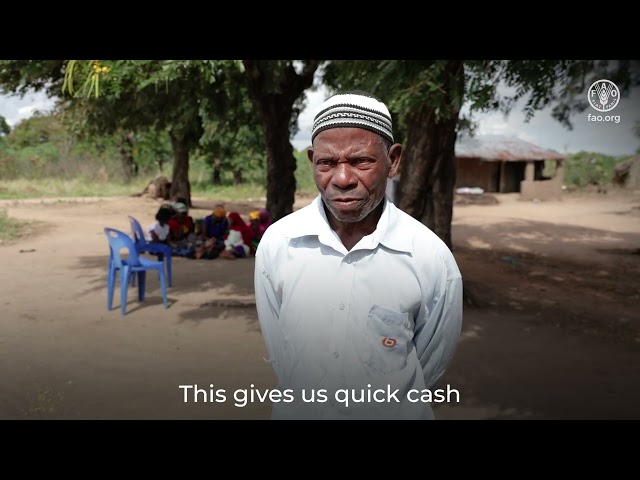
In Mecutamala, Nampula province, the Farmer Field School (FFS) approach has empowered farmers to enhance agricultural practices, collaborate effectively, and boost production while improving market access. By learning through hands-on experience, farmers have embraced new techniques, expanded irrigation, and diversified their production, fostering a more sustainable future for their communities.
This success story showcases the PROMOVE Agribiz Programme, funded by the European Union and implemented by the Government of Mozambique with support from FAO, which aims to create more productive, resilient, and market-oriented farming systems in northern Mozambique.

El proyecto RECLIMA promueve el uso del maíz CENTA Porrillo 2020, desarrollado por el Centro Nacional de Tecnología Agropecuaria y Forestal (CENTA), como una solución resiliente al cambio climático en El Salvador. Esta semilla, resistente a la sequía y variaciones climáticas, mejora la productividad y la seguridad alimentaria de las familias rurales.
Además, fortalece las prácticas agrícolas adaptativas y la reutilización de semillas en comunidades agrícolas. Para más información, suscríbete a nuestro canal de YouTube aquí y síguenos en nuestras redes sociales: Facebook, Instagram, LinkedIn, TikTok, Twitter, Weibo.

The video showcases the extensive range of agricultural innovations, highlighting scientific and technological advancements in various contexts.
Subscribe to our channel here! Follow FAO on social media: Facebook, Instagram, LinkedIn, TikTok, Twitter, and Weibo. © FAO: fao.org #SDGs #Agenda2030 #GlobalGoals

Environmental Scientist and Advocate
What EarthSayers stands for
Discover Diverse Voices on EarthSayers
Unlike algorithm-driven platforms that push you into a content bubble, we ensure you hear a variety of perspectives from scientists, activists, Indigenous leaders, business innovators, and everyday citizens working toward sustainability.
EarthSayers CINEMA
Watch, learn and lead—sustainability starts with you.
How to Live on Earth | Feature Documentary | Presented by Benedict Cumberbatch
What if the solutions to building a better future already exist? How to Live on Earth is an ambitious documentary that explores how humanity can create a thriving future by collaborating with nature. Presented by Benedict Cumberbatch, the film reveals the potential of teaming up with nature to address our greatest challenges.
Heartwarming and energizing, it offers a hopeful vision for a future where both nature and humanity can thrive. How to Live on Earth is produced by Open Planet Studios in association with Villars Institute Foundation and Silvania. Join the conversation by downloading film assets and sharing your reaction at howtoliveonearth.net/social-toolkit. Explore educational resources from the Villars Institute at YouTube.


