




Special Collections:
Oceans
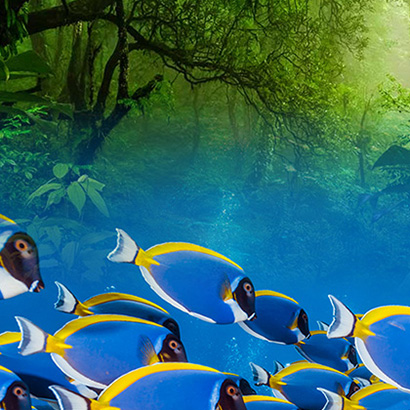

Global warming severely impacts our oceans, causing warmer, more acidic waters that harm marine life. You can help protect our oceans by supporting the Ocean-Based Climate Solutions Act. Take action today: https://bit.ly/3m3bUb9
Join our community by subscribing to our channel. Stay connected with us on social media: Instagram (https://www.instagram.com/oceana/), Twitter (http://twitter.com/oceana), and Facebook (https://www.facebook.com/oceana/).

A 2019 report highlighted a whale's death from ingesting 88 pounds of plastic, leading to starvation and internal damage. This tragic event underscores a broader, often unseen crisis, as many ocean tragedies caused by plastic go unobserved.
The pervasive plastics crisis deeply impacts marine ecosystems and animals. Oceana's new report compiles the first available data on plastic ingestion and entanglements in U.S. marine mammals and sea turtles, revealing the devastating effects of plastic pollution on ocean life.
To learn more about this unfolding disaster, please visit USA.Oceana.org/ChokingOnPlastic.
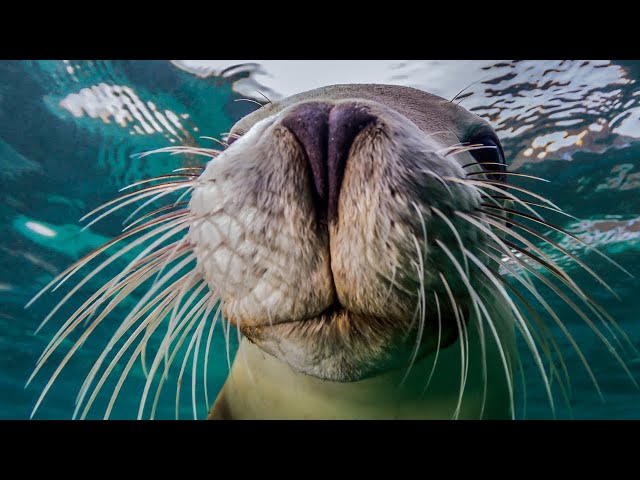

As winter arrives in the Northern Hemisphere, discover marine life thriving in icy cold waters year-round. Explore our Marine Life Encyclopedia: https://bit.ly/3lwX7Wc
Join our community of Wavemakers by subscribing to our channel. Stay connected with us on social media: Instagram, Twitter, and Facebook.

The bearded seal, named for its distinctive thick, white whiskers, is one of four Arctic species found in and around the Arctic Ocean. Learn more in our Marine Life Encyclopedia.
Join our community of Wavemakers! Subscribe to our channel and stay connected with us on social media.

It's Manatee Awareness Month! Manatees are incredible, capable of refilling 90% of their lung air in a single breath and holding it for up to 20 minutes underwater. Learn more about these fascinating marine mammals in our Marine Life Encyclopedia: Marine Life Encyclopedia.
Become a Wavemaker! Subscribe to our channel to join our community and stay connected with us on social media:

Up to 73 million shark fins enter the global trade annually. You can help protect sharks by urging your U.S. senators to pass a #FinBanNow. Take action here: https://bit.ly/35IcODb
Join our community of Wavemakers! Subscribe to our channel and stay connected with us on social media:
Instagram: https://www.instagram.com/oceana/
Twitter: http://twitter.com/oceana
Facebook: https://www.facebook.com/oceana/

As fall colors emerge, discover vibrant marine life beneath the ocean's surface in our Marine Life Encyclopedia.
Join our community of Wavemakers by subscribing to our channel. Stay connected with us on Instagram, Twitter, and Facebook.

Elephant seals undergo a rapid coat shedding process known as a "catastrophic molt." Discover more about these unique marine mammals in our Marine Life Encyclopedia.
Join our community of Wavemakers! Subscribe to our channel and stay connected. Follow us on Instagram, Twitter, and Facebook.

Oceana is dedicated to protecting our oceans and marine life. Join us to help safeguard these vital ecosystems and their enchanting creatures. Support our mission: https://bit.ly/3m7PDbI
Become a Wavemaker! Subscribe to our channel and connect with our community. Stay updated and engaged through our social media:
Instagram: https://www.instagram.com/oceana/
Twitter: http://twitter.com/oceana
Facebook: https://www.facebook.com/oceana/

Discover California's iconic marine life, including Southern sea otters and California sea lions. Learn more about these adorable mammals in our Marine Life Encyclopedia: https://bit.ly/3nVZiUM
Join our community of Wavemakers! Subscribe to our channel and stay connected with us:

The King Penguin, nearly three feet tall, is the world's second-largest penguin, surpassed only by the Emperor Penguin. Learn more in our Marine Life Encyclopedia: Marine Life Encyclopedia.
Join our community of Wavemakers by subscribing to our channel. Stay connected with us on social media:

Celebrate October and Halloween by exploring fascinating marine life! Dive into our Marine Life Encyclopedia to learn more: https://bit.ly/30HLcw8. Subscribe to our channel and become a Wavemaker today! p>
Stay connected with us on social media. Follow us on Instagram, Twitter, and Facebook.

The giant manta ray, the world's largest ray, can reach up to 29 feet wide, significantly larger than other ray species. Discover more in our [Marine Life Encyclopedia](https://bit.ly/30F1LsD).
Join our community of Wavemakers by subscribing to our channel. Stay connected with us on [Instagram](https://www.instagram.com/oceana/), [Twitter](http://twitter.com/oceana), and [Facebook](https://www.facebook.com/oceana/).

Belize has taken a significant step to protect its ocean, banning fishing gear responsible for the indiscriminate killing of fish, turtles, manatees, and sharks. Learn more about this crucial victory: https://bit.ly/3lgByJu
Join our community of Wavemakers by subscribing to our channel. Stay connected with us on social media: Instagram, Twitter, and Facebook.

Leopard seals are true seals, named for their spotted fur. These top predators inhabit the Antarctic ice edge. Discover more in our Marine Life Encyclopedia.
Join our community of Wavemakers by subscribing to our channel Stay connected with us on social media: Instagram | Twitter | Facebook.

Oceans are vital, providing food, regulating global temperatures, and facilitating global transport. Despite their critical role, much about these incredible ecosystems remains undiscovered.
Join Oceana to help keep our oceans safe and become part of our Wavemakers community. Get involved and subscribe to our efforts here: Oceana.org.

Discover bioluminescent marine life, species that produce their own light through a chemical reaction. Learn more in our Marine Life Encyclopedia.
Join our community of Wavemakers by subscribing to our channel. Stay connected with us on Instagram, Twitter, and Facebook.

Gentoo penguins, native to sub-Antarctic islands, face significant population declines due to climate change. These chilly environments are vital for their breeding and foraging, but their "near threatened" status on the IUCN Red List highlights an urgent need for protection.
Join Oceana to help safeguard gentoo penguins and our oceans. Support our mission and connect with us on social media: [Oceana](https://bit.ly/2Edr5hq), [Instagram](https://www.instagram.com/oceana/), [Twitter](http://twitter.com/oceana), and [Facebook](https://www.facebook.com/oceana/).

Southern Resident orcas face starvation and high calf mortality, with 40% of calves not surviving, due to a critical lack of Chinook salmon. Join Oceana today to help protect these vital marine mammals: Join Oceana.
Become a Wavemaker! Subscribe to our channel and stay connected with our community.
Find us on: Instagram: @oceana, Twitter: @oceana, Facebook: @oceana.
Environmental Scientist and Advocate
What EarthSayers stands for
Discover Diverse Voices on EarthSayers
Unlike algorithm-driven platforms that push you into a content bubble, we ensure you hear a variety of perspectives from scientists, activists, Indigenous leaders, business innovators, and everyday citizens working toward sustainability.
EarthSayers CINEMA
Watch, learn and lead—sustainability starts with you.
How to Live on Earth | Feature Documentary | Presented by Benedict Cumberbatch
What if the solutions to building a better future already exist? How to Live on Earth is an ambitious documentary that explores how humanity can create a thriving future by collaborating with nature. Presented by Benedict Cumberbatch, the film reveals the potential of teaming up with nature to address our greatest challenges.
Heartwarming and energizing, it offers a hopeful vision for a future where both nature and humanity can thrive. How to Live on Earth is produced by Open Planet Studios in association with Villars Institute Foundation and Silvania. Join the conversation by downloading film assets and sharing your reaction at howtoliveonearth.net/social-toolkit. Explore educational resources from the Villars Institute at YouTube.


