




Showing 20 search results of 5,957 videos found for

Founded in 2009, Ginkgo Bioworks leads in producing bacteria using renewable materials. Neekta Hamidi discusses their current work and innovations, offering an optimistic outlook.
The Ellen MacArthur Foundation, a UK charity, champions the circular economy. This model, driven by design, aims to eliminate waste and pollution, circulate products and materials, and regenerate nature.
Learn more about our work and the circular economy. Subscribe to our YouTube channel, visit our website, and follow us on Instagram, Facebook, Twitter, and LinkedIn for further insights.

Join host Jeff Corwin to explore the remarkable comeback of the American crocodile. Once near extinction with only 100 adults, their population now exceeds 2,000 in South Florida, largely thanks to an unexpected sanctuary: the Turkey Point nuclear power plant. Its secure 6,000-acre network of cooling canals provides an ideal nesting habitat, a "nuclear headstart program" supported by Florida Power & Light and Defenders of Wildlife.
Conservationists monitor and tag hatchlings before releasing them, ensuring the health of these apex predators. Protecting crocodiles is vital, as their thriving population signifies a healthy broader ecosystem. Learn more about wildlife conservation at www.defenders.org/wildlifenation.

Host Jeff Corwin returns to Massachusetts, joining Dr. Lindsay Rosa of Defenders of Wildlife at the New England Wildlife Center. The center provides vital veterinary care for sick, injured, and orphaned wildlife, from raccoons to owls. Corwin and Rosa highlight the surprising biodiversity of New England and the challenges species face due to human encroachment and pollution.
They observe the rehabilitation of a swan suffering from lead poisoning, a common issue from fishing sinkers and shotgun shells. The team successfully treats the swan and later releases a recovered barn owl into a protected habitat. This experience underscores the critical need for conservation efforts and mindful coexistence to protect our wildlife neighbors. To learn more, visit www.defenders.org/wildlifenation.

Join Jeff Corwin in southern Florida as he partners with Defenders of Wildlife staff and biologists to rehabilitate and release sick and injured sea turtles. This adventure highlights the significant challenges these creatures face globally, showcasing the dedicated efforts of conservationists to ensure their survival and return to the ocean.
The team expresses immense joy and pride in each release, especially for loggerheads equipped with state-of-the-art tracking technology, which acts as an "electronic guardian angel." This powerful experience underscores that conservation demands action: volunteer, enjoy your local environment, and defend wildlife. Learn more at www.defenders.org/wildlifenation.

Jeff Corwin joined Defenders of Wildlife in Boston to aid peregrine falcon recovery. At Deer Island's wastewater treatment plant, falcons nest on a 130-foot filtration tank. This initiative, a collaboration with the Massachusetts Department of Fisheries and Wildlife and the Massachusetts Water Resource Authority, provides crucial urban nesting sites.
Once near extinction, peregrine falcons have made a remarkable comeback, with 50 known pairs now thriving in Massachusetts. Corwin and Jacob Malcolm assisted biologists in banding chicks, a vital step in tracking their recovery. This project exemplifies successful conservation, showing how ingenuity and stewardship allow wildlife to flourish in urban environments. Learn more at www.defenders.org/wildlifenation.

Host Jeff Corwin highlights the plight of threatened aquatic animals, particularly Florida's iconic manatees. These gentle giants face critical threats: habitat loss, harmful algae blooms, and man-made barriers like the Kirkpatrick Dam, obstructing access to vital warm water springs. Conservationists restore habitats, like the Ocklawaha River, and implement rescue and rehabilitation to save this keystone species.
Florida's waterway challenges mirror global environmental issues. Oceans and wetlands are crucial for food, oxygen, climate regulation, and water filtration, but face constant threat. Protecting these vital ecosystems and fostering coexistence is essential for countless species, including the endangered Kemp's Ridley sea turtle and coral reefs, ensuring a healthy planet.

Join host Jeff Corwin in Alaska as he delves into the lives of North American brown bears. He explores the intricate relationship between humans and bears, highlighting their shared reliance on the vital salmon resource.
Corwin ventures into the Alaskan wilderness, observing a mother bear with two cubs and witnessing bears hunt for salmon. He also learns about the state's salmon management efforts, ensuring this crucial resource remains sustainable for future generations.

Join host Jeff Corwin on a conservation adventure, beginning in California's Big Sur to help save the majestic California condor. At the Ventana Wildlife Society, Corwin assists in preparing juvenile condors for release into the wild. This iconic bird, North America's largest, was rescued from a population of just 22 individuals in 1982 through a dedicated captive breeding program. Today, approximately 500 condors exist worldwide, with about 300 flying free across the American West and Mexico.
Corwin then travels to his home state of Massachusetts to work with the Department of Fish and Wildlife. His mission there is to protect the unique saltmarsh sparrow, a species vital to the delicate salt marsh habitats of the East Coast.

Host Jeff Corwin celebrates the Endangered Species Act (ESA), landmark 1973 legislation protecting vulnerable wildlife and ecosystems. The bald eagle, once near extinction, exemplifies the ESA's success, having recovered and now thriving across the U.S.
The ESA also protects sea turtles, with Florida's beaches being globally vital nesting sites. Conservation efforts, like Boca Raton's beachfront parks, are crucial. While only 1 in 10,000 hatchlings survive to adulthood, protecting their habitat allows these keystone species to flourish. All six sea turtle species nesting in America are protected by the ESA. Learn more at www.defenders.org/wildlifenation.

Host Jeff Corwin travels to Alaska's Cook Inlet to assist conservationists Nicole Whittington-Evans and Suzanne Steinert in monitoring the critically endangered beluga whale population. These "great white canaries of the sea" are uniquely adapted to Arctic life, using echolocation and feeding on salmon, but their numbers have drastically declined.
The Cook Inlet beluga population has plummeted by nearly 80% since the late 1980s due to habitat degradation, climate change, and other cumulative human impacts. Conservation efforts focus on reducing these threats and balancing human and wildlife needs to ensure these iconic whales survive for future generations. Learn more about wildlife conservation at www.defenders.org/wildlifenation.

Join host Jeff Corwin in Central Florida as he helps rescue threatened gopher tortoises from new real estate developments. Florida's rapid growth, with 1,000 new residents daily, leads to habitat destruction. Alarmingly, older permits still allow developers to bury tortoises alive, along with the over 360 other species that rely on their burrows.
Gopher tortoises are vital "nature's engineers," digging extensive underground tunnels that provide essential shelter from weather, fires, and predators for countless creatures. Corwin, alongside experts from Defenders and Saving Florida's Gopher Tortoises, meticulously excavates these animals from development sites to prevent them from being entombed. Learn more about the wildlife featured in the episode at www.defenders.org/wildlifenation.

Join host Jeff Corwin on an adventure across central Florida, exploring the Silver and Ocklawaha Rivers, vital habitats for manatees. These gentle giants face severe threats, including habitat loss, dangerous cold snaps, and harmful algae blooms destroying their food sources. Tragically, manatee deaths are at an all-time high, impacting Florida's environmental integrity.
Conservationists, including Defenders of Wildlife, are racing to save this iconic species. A key solution involves restoring natural warm water habitats and removing man-made barriers like the Kirkpatrick Dam. A free-flowing Ocklawaha River would grant manatees access to essential warm springs, ensuring their survival and promoting coexistence with Florida's natural environment. Learn more at www.defenders.org/wildlifenation.

Jeff Corwin explores the Great Plains' interconnected species. He aids bison re-establishment with Native American tribes and conserves black-footed ferrets, once thought extinct. Ferrets critically depend on prairie dogs, a keystone species decimated by habitat loss and Sylvatic plague, nearly causing their extinction. The species was famously rediscovered by a dog named Shep.
Conservation efforts involve canine teams, like Melissa Steen and Tule, locating ferrets in prairie dog burrows. Spotlight teams, including Chamois Andersen, then find and trap ferrets at night. Biologists like Jessica Alexander collect vital data and administer life-saving vaccines against Sylvatic plague, ensuring this fragile population's survival.

Join host Jeff Corwin on an adventure across the Great Plains, exploring the vital connection between species. He assists Native American tribes in re-establishing bison herds, a keystone species that once shaped the ecosystem. Historically, bison were nearly wiped out by western expansion, devastating both the plains and tribal cultures that depended on them.
The loss of bison had ripple effects, impacting predators, scavengers, and species like black-footed ferrets. Conservationists, led by the Intertribal Buffalo Council, are working to restore at least ten large herds. This effort not only revitalizes the environment but also helps Native American communities reconnect with their cultural heritage, ensuring the survival of the Great Plains ecosystem.
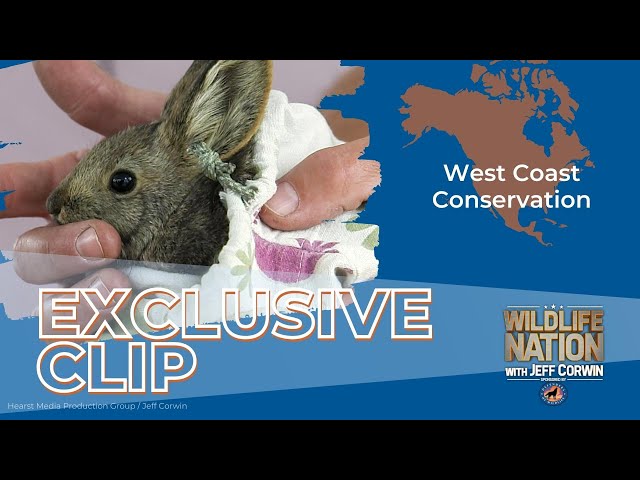
Join Jeff Corwin as he explores climate change impacts, from California's drought-stricken Sierra Nevada and the Caldor Fire's aftermath, where he meets firefighters, to Washington State. There, he highlights conservation efforts for the resourceful American beaver and the endangered Pygmy rabbit.
In Washington, Corwin joins the Tulalip Beaver Project, which humanely relocates beavers from conflict areas. Beavers are vital ecosystem engineers, building dams that increase water storage, filter pollutants, promote biodiversity, and create crucial salmon habitat. Nearly hunted to extinction, these resilient animals are now recovering, with the Tulalip Tribal Community leading successful wildlife management and research efforts.

Jeff Corwin joins conservationists in California to protect pinnipeds, including elephant seals and sea lions. Organizations like the Marine Mammal Care Center and Defenders of Wildlife are crucial in rescuing and rehabilitating these animals, which face severe threats from climate change, overfishing, habitat loss, and plastic pollution.
Corwin assists Dr. Lauren Palmer and Andy Johnson in rehabilitating four malnourished California sea lion pups, one of whom ingested plastic. After critical care, tagging, and weighing, the pups are successfully released back into the wild. This effort underscores the vital role of conservation in giving endangered animals a second chance and addressing environmental challenges for ecosystem health.

Join Jeff Corwin as he investigates critical mammal conservation challenges. He reveals that nearly a quarter of all mammals face extinction, with wild species comprising only 4% of global mammal biomass. Corwin focuses on New England's orphaned black bear cubs, increasingly threatened by habitat loss and human proximity.
At the Kilham Bear Center, caregivers like Ethan Kilham raise these cubs, mimicking a mother bear to ensure they remain wild. The aim is to prepare them for release at 18 months, minimizing human interaction. The program showcases the careful process of sedating, health-checking, and tagging cubs like Flower and Dover before their successful return to the wild.

Join Jeff Corwin on an Alaskan adventure to conserve North America's birds. He explores the Tongass National Forest, a vast old-growth temperate rainforest critical for species like the goshawk and vital for carbon sequestration. This unique ecosystem supports diverse wildlife, despite past logging impacts.
Corwin also visits the Alaska Raptor Center, where he helps rehabilitate and release a young bald eagle named Diesel. Rescued after being hit by a car, Diesel's recovery highlights the center's work in returning iconic raptors, including bald eagles and goshawks, to their natural habitat.

Reducing waste and pollution is vital for restoring nature and biodiversity. Flora Blathwayt from Notpla showcases how their seaweed packaging offers a suitable solution for removing everyday plastic waste from circulation.
The Ellen MacArthur Foundation, a UK charity, champions the idea of a circular economy. This design-driven approach eliminates waste and pollution, circulates products and materials, and regenerates nature.
Learn more about their work and connect online: Website | YouTube | Instagram | Facebook | Twitter | LinkedIn
Environmental Scientist and Advocate
What EarthSayers stands for
Discover Diverse Voices on EarthSayers
Unlike algorithm-driven platforms that push you into a content bubble, we ensure you hear a variety of perspectives from scientists, activists, Indigenous leaders, business innovators, and everyday citizens working toward sustainability.
EarthSayers CINEMA
Watch, learn and lead—sustainability starts with you.
The Thinking Game | Full documentary | Tribeca Film Festival official selection
“The Thinking Game” is the inside story of DeepMind's groundbreaking AI research, culminating in the Nobel Prize-winning AlphaFold breakthrough. Filmed over five years by the award-winning team behind "AlphaGo," this documentary explores co-founder Demis Hassabis's lifelong pursuit of artificial general intelligence and the rigorous scientific journey from mastering strategy games to solving the 50-year-old protein folding problem.
Following its world premiere at the Tribeca Festival, "The Thinking Game" is now available to watch for free. For those interested in hosting a screening for a classroom, community, or workplace, visit: rocofilms.com/films/the-thinking-game/.


