




Special Collections:
Forests and Oceans
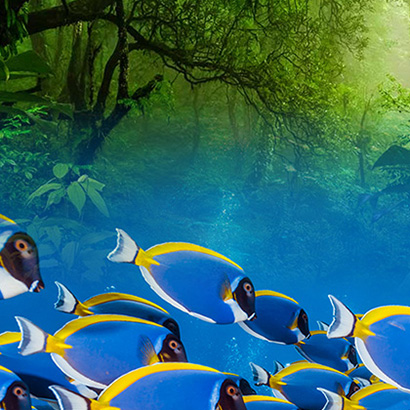

This story highlights the critical importance of the Peruvian Sea's initial five miles. This specific maritime zone holds immense ecological and economic value for the nation.
Within these waters, a unique ecosystem thrives, supporting abundant marine life crucial for Peru's fishing industry and biodiversity. Protecting this vital stretch is paramount for both environmental sustainability and national prosperity.


Polar bears are perfectly adapted for life on ice, from their webbed toes to their dense fur. Discover more in our Marine Life Encyclopedia.
Join our community of Wavemakers by subscribing to our channel. Stay connected with us on social media:

The stonefish is one of the world's deadliest fish and a master of camouflage. Its effortless blending into the environment means it's often overlooked by prey, predators, and even divers. Discover more in our Marine Life Encyclopedia: https://bit.ly/3WS4aMh
Join our community of Wavemakers! Subscribe to our channel and stay connected with us on social media.
Find us on: Instagram: https://www.instagram.com/oceana/, Twitter: http://twitter.com/oceana, and Facebook: https://www.facebook.com/oceana/

Leopard seals, named for their distinctive spots and feline features, are top predators at the Antarctic ice edge. Discover more in our Marine Life Encyclopedia: https://bit.ly/2S6cUOB
Join our community of Wavemakers! Subscribe to our channel and stay connected.
Follow us on social media: Instagram, Twitter, and Facebook.

Bottlenose dolphins appear to smile due to their wide beaks and upturned mouths, but unlike humans, they don't express emotions through facial expressions. Instead, they communicate using other methods. Discover more in our Marine Life Encyclopedia: https://bit.ly/43KhgOe
Join our community of Wavemakers! Subscribe to our channel. p>
Stay connected:
Instagram: https://www.instagram.com/oceana/
Twitter: http://twitter.com/oceana
Facebook: https://www.facebook.com/oceana/

Explore tropical marine life in our Marine Life Encyclopedia: https://bit.ly/45LRdHY.
Join our community of Wavemakers! Subscribe to our channel.


Oceana and DreamWorks' *Ruby Gillman, Teenage Kraken* are partnering to protect our oceans. Join them in creating a brighter future for marine life.
Support ocean conservation through a special symbolic adoption: Adopt a Sea Creature.
Don't miss *Ruby Gillman, Teenage Kraken*, only in theaters June 30.

Blue whales are the largest animals to ever exist, reaching up to 110 feet long and weighing 330,000 pounds. Learn more about these magnificent creatures in our Marine Life Encyclopedia.
Join our community of Wavemakers! Subscribe to our channel and stay connected with us on social media:


Nudibranchs, vibrant sea slugs, are renowned for their bold coloring. Explore more about these fascinating creatures in Oceana's Marine Life Encyclopedia.
Join our community of Wavemakers! Subscribe to our channel and connect with us on Instagram, Twitter, and Facebook.
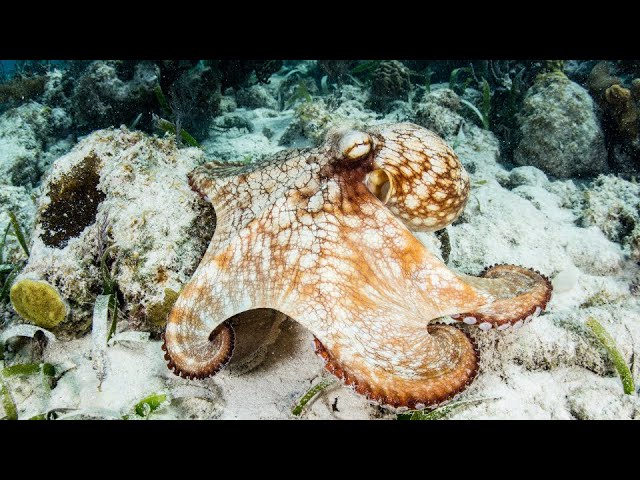
The Caribbean reef octopus is a master of disguise, adept at hiding in coral crevices, shallow reefs, or among ocean floor plants and rocks. Learn more about this fascinating creature: https://bit.ly/3p6n1q4
Join our Wavemakers community by subscribing to our channel. Stay connected with us on social media:
Instagram: https://www.instagram.com/oceana/
Twitter: http://twitter.com/oceana
Facebook: https://www.facebook.com/oceana

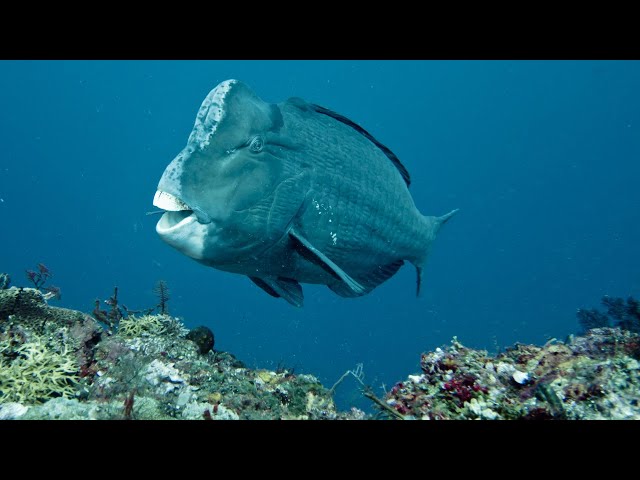
Humphead parrotfish are vital marine life, using their distinctive heads and teeth to consume coral. Help protect these unique fish and other marine species by joining Oceana. Support our mission at Oceana.org/join.
Become a Wavemaker! Subscribe to our channel and connect with our community. Stay connected on social media: Instagram: @oceana | Twitter: @oceana | Facebook: @oceana

Cownose rays are named for their distinctive forehead lobes, which resemble a cow's nose. Discover more about these fascinating creatures in our Marine Life Encyclopedia: https://bit.ly/41UyPtV
Join our community of Wavemakers! Subscribe to our channel and stay connected with us on social media:

Sea cucumbers, typically found on the ocean floor and coral reefs, navigate and feed using tentacle-like tube feet. Discover more in our Marine Life Encyclopedia.
Join our community of Wavemakers! Subscribe to our channel and stay connected with us.

Atlantic puffins are monogamous, forming strong bonds by rubbing their beaks. They return to the same burrow annually to raise their young, called pufflings.
Support these "lovebirds" by making a symbolic puffin adoption. Your donation helps protect puffins and other marine life: Adopt a Puffin.
Join our community of Wavemakers! Subscribe and connect with us on social media: Instagram, Twitter, and Facebook.

The unusual frogfish is a master of disguise, blending into its surroundings to confuse prey. These bottom dwellers use their adapted pectoral fins to walk across the ocean floor. Learn more: https://bit.ly/3zQKeie
Join our community of Wavemakers! Subscribe to our channel.
Stay connected:
Instagram: https://www.instagram.com/oceana/
Twitter: http://twitter.com/oceana
Facebook: https://www.facebook.com/oceana/

Harp seal pups are born with white coats, maturing into adults with silver-white fur and distinctive black, harp-shaped markings that give them their name.
Warming oceans pose an existential threat to these ice-dwelling seals. Oceana campaigns against climate change drivers like offshore drilling and promotes renewable energy. Support our work by making a [symbolic harp seal adoption](https://bit.ly/3o7nlEU); all gifts protect marine life.
Join our community of Wavemakers! Connect with us on [Instagram](https://www.instagram.com/oceana/), [Twitter](http://twitter.com/oceana), and [Facebook](https://www.facebook.com/oceana/).
Environmental Scientist and Advocate
What EarthSayers stands for
Discover Diverse Voices on EarthSayers
Unlike algorithm-driven platforms that push you into a content bubble, we ensure you hear a variety of perspectives from scientists, activists, Indigenous leaders, business innovators, and everyday citizens working toward sustainability.
EarthSayers CINEMA
Watch, learn and lead—sustainability starts with you.
How to Live on Earth | Feature Documentary | Presented by Benedict Cumberbatch
What if the solutions to building a better future already exist? How to Live on Earth is an ambitious documentary that explores how humanity can create a thriving future by collaborating with nature. Presented by Benedict Cumberbatch, the film reveals the potential of teaming up with nature to address our greatest challenges.
Heartwarming and energizing, it offers a hopeful vision for a future where both nature and humanity can thrive. How to Live on Earth is produced by Open Planet Studios in association with Villars Institute Foundation and Silvania. Join the conversation by downloading film assets and sharing your reaction at howtoliveonearth.net/social-toolkit. Explore educational resources from the Villars Institute at YouTube.


