




Special Collections:
Biodiversity
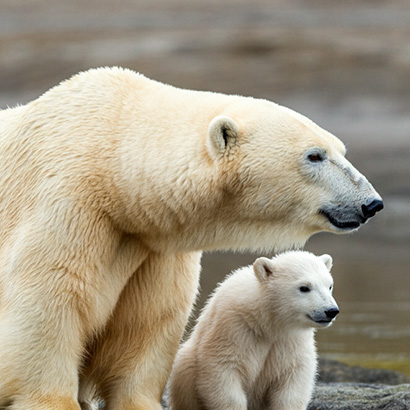

California's iconic redwoods are at risk from a Highway 101 expansion. This project threatens to cut into the essential root systems of ancient trees on the North Coast, leading to their weakening, decline, and death. With less than 5% of original redwood forests remaining, these vital ecosystems cannot recover once damaged.
Governor Gavin Newsom has the authority to stop this plan. Urge him to protect these irreplaceable redwoods before it's too late. Act Now.

This weekly roundup shares environmental news and our work to protect wildlife and wild places. We address critical issues and celebrate our successes.
We are actively winning cases, upholding the Endangered Species Act, and protecting wildlife against destructive projects and new threats. These vital fights unfold in our forests, rivers, and communities—our founding purpose.
Follow our progress, stay informed, and share. Join our fight for the wild at biodiv.us/join.

Tune in for live updates on the "Alligator Alcatraz Case" from the Center's Florida and Caribbean Director. Get the latest on the lawsuit to protect Big Cypress National Preserve.
The Center for Biological Diversity, Friends of the Everglades, Earthjustice, and the Miccosukee Tribe sued the U.S. Department of Homeland Security and other agencies to halt a project impacting the Everglades. This vital ecosystem, designated an endangered UNESCO World Heritage site in 2010, is the Western Hemisphere's largest mangrove system and a critical bird breeding ground.
Read our most recent press release: Florida Banked on $1.4 Billion in Federal Funds for Everglades Detention Center

The Tongass National Forest, a vast old-growth rainforest and home to Alaskan black bears, is a crucial natural defense against the climate crisis. The Center for Biological Diversity, a 501c3 nonprofit, works to protect such vital ecosystems and secure a future for all species, recognizing that human welfare is deeply linked to nature's diversity.
Through science, law, and creative media, we focus on protecting the lands, waters, and climate species need to survive, ensuring future generations inherit a world where the wild is still alive. Connect with us: [Website](https://www.biologicaldiversity.org), [Twitter](https://twitter.com/CenterForBioDiv), [Facebook](https://www.facebook.com/CenterforBioDiv), [Instagram](https://www.instagram.com/centerforbiodiv), [TikTok](https://www.tiktok.com/@centerforbiodiv), [Take Action](https://www.biologicaldiversity.org/action/alerts). For inquiries, email [center@biologicaldiversity.org](mailto:center@biologicaldiversity.org).

The Trump administration is threatening Big Bend National Park, a national heritage site, by planning to wall off river access points. This 517-mile sector, a vital part of the U.S.-Mexico border, faces imminent construction.
Such a wall would cut off wildlife from the Rio Grande, their sole water source, destroy cultural sites, and lock the river behind steel. This move reflects a disturbing disregard for public lands, seen as political vandalism rather than security.
Join the fight to protect Big Bend. Learn more at www.biologicaldiversity.org/campaigns/border_wall/. Contact your Congressional representatives at 202-224-3121 and urge them to strip federal funding for border wall construction in the region.

The Trump administration is pushing to construct a border wall through Big Bend National Park, a crown jewel of America's national heritage. These plans would wall off critical river access points, isolating wildlife from their only water source, the Rio Grande. Such construction would also destroy cultural sites and lock the river behind a steel barrier, an act of political vandalism, not security.
We have been fighting border wall construction for years. Learn more about our work: www.biologicaldiversity.org/campaigns/border_wall/. Join the fight: call your Congressional representatives at 202-224-3121. Urge them to protect Big Bend by stripping federal funding for border walls in the region.

The Center for Biological Diversity is again under attack. Far-right congressmen on the House Resources Committee have launched a baseless "investigation" against us for protecting the Arctic and polar bears from an oil conglomerate. Our Executive Director, Kierán, denounced this as a weaponization of government power, a smear tactic by oil-funded politicians to silence environmental advocates.
This "investigation" is a politically motivated witch hunt, devoid of legal merit and making absurd accusations. To combat this antidemocratic power-mongering and defend our critical work, we've established the Freedom Defense Fund. Your support is crucial to our survival against these persistent threats. Please donate today, or consider a monthly contribution to sustain our defense.
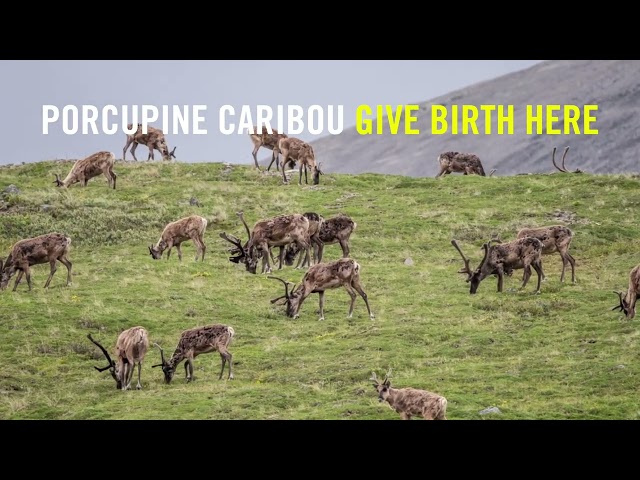
The Trump administration is initiating oil and gas lease sales in the Arctic National Wildlife Refuge's Coastal Plain, inviting companies to identify drilling sites. This 1.56-million-acre area is the biological heart of the Arctic Refuge, vital for the Porcupine caribou herd, migratory birds, and polar bears.
Industrializing this irreplaceable sanctuary will harm wildlife and accelerate climate change. The Arctic is already warming four times faster than the rest of the planet. Drilling will displace animals, endanger polar bear families, and pollute air and water, fueling a climate disaster. Past lease sales have failed due to public demand for protection over short-term corporate profit. Stand up for the Coastal Plain.

The America the Beautiful Annual Pass, used by over a million visitors, grants entry to national parks and federal lands. The 2026 pass was legally mandated to feature a Glacier National Park photograph. However, the Trump administration instead inserted the president's image, reportedly discouraging sales and potentially voiding passes if the image is covered.
A new bill, the Prohibit Partisan Park Passes Act, seeks to ban images of living political figures on park passes. This aims to ensure public lands remain neutral spaces for all Americans, free from partisan politics.
U.S. residents should contact their representatives to support this act, ensuring passes feature natural beauty and wildlife, not political figures.

Insects are vital for healthy ecosystems and human well-being, yet they face global decline from pollution, pesticides, habitat loss, and climate change. This crisis causes insect extinctions and the loss of irreplaceable services like pollination and decomposition.
The Center for Biological Diversity, a 501c3 nonprofit, works to secure a future for all species. We believe human welfare is linked to nature's diversity. Through science, law, and creative media, we protect the lands, waters, and climate species need, ensuring a wild world for future generations.
Learn more and take action at biologicaldiversity.org. Connect with us on social media or email center@biologicaldiversity.org for inquiries.

Our planet faces an unprecedented extinction crisis, with one species disappearing hourly and over a million plants and animals projected to vanish in coming decades. This unravels our world, but extinction is a choice we can fight, and awareness is the first step.
The 501c3 Center for Biological Diversity links human welfare to nature's diversity. We secure a future for all species through science, law, media, and habitat protection. Learn more at biologicaldiversity.org and take action at biologicaldiversity.org/action/alerts. Connect with us: Twitter, Facebook, Instagram, TikTok. For inquiries, email center@biologicaldiversity.org.

One in four native bee species, including western bumblebees, are rapidly declining due to habitat loss, climate change, invasive species, and pesticides. This alarming trend signals significant biodiversity loss across the country.
The Center for Biological Diversity, a 501c3 nonprofit, protects species and their habitats through science, law, and creative media. Believing human welfare is deeply linked to nature, we work to secure a future where the wild thrives for generations to come.
Learn more at our website and take action. For questions or media inquiries, email center@biologicaldiversity.org.

North Atlantic right whales are critically endangered, with only around 370 individuals remaining. Since 2017, over 140 have been killed or injured in an "Unusual Mortality Event."
The Center for Biological Diversity, a 501c3 nonprofit based in Tucson, Arizona, works to secure a future for all species on the brink of extinction. Believing human welfare is deeply linked to nature's diversity, they use science, law, and creative media to protect the lands, waters, and climate vital for species survival.
Explore their work, take action, and connect on social media via their website: https://www.biologicaldiversity.org. For questions or media inquiries, email: center@biologicaldiversity.org.

North America has lost an estimated 3 billion birds since 1970 due to the extinction crisis. The Center for Biological Diversity, a 501c3 nonprofit based in Tucson, Arizona, works to secure a future for all species. Believing human welfare is deeply linked to nature's diversity, we use science, law, and creative media to protect the lands, waters, and climate essential for survival.
Learn more and connect with us: Visit our website at biologicaldiversity.org, or find us on social media (Twitter, Facebook, Instagram, TikTok). For questions or media inquiries, email center@biologicaldiversity.org. Take action at biologicaldiversity.org/action/alerts.

The Center and three Alaska Native Tribes have sued the Trump administration for illegally trading federal land vital to tribal members. This land swap threatens Izembek, one of the world's most important migratory bird staging areas. Critical eelgrass wetlands, relied on by emperor geese, black brant, and other birds that sustain these communities, face irreparable damage from a proposed road.
This unlawful giveaway would undermine subsistence food systems and set a dangerous precedent for all 104 million acres of Alaska's protected wildlands. We are fighting to stop this destruction and urge you to stand with us.

The Center and three Alaska Native Tribes have sued the Trump administration for illegally trading federal land vital to tribal members. This land swap threatens Izembek, a globally important migratory bird staging area. Its critical eelgrass wetlands support emperor geese, black brant, and other birds essential for tribal subsistence.
A proposed road would irreparably damage this habitat, undermine traditional food systems, and set a dangerous precedent for Alaska's 104 million acres of protected wildlands. We are fighting to stop this unlawful giveaway of Izembek. Stand with us.

Remote cameras recently captured rare flat-headed cats (Prionailarus planiceps) in Thailand, unseen since 1995. These nocturnal felines, threatened by habitat loss, are now a focus for conservation efforts. Learn more about Panthera Thailand: panthera.org/panthera-thailand-and-regional-team.
The Center for Biological Diversity, a 501c3 nonprofit, secures a future for all species. Believing human welfare links to nature's diversity, we use science, law, and creative media to protect vital habitats, ensuring a wild world for future generations.
Connect with us: Visit our website, follow us on Twitter, Facebook, Instagram, TikTok, or take action. For inquiries, email center@biologicaldiversity.org.

The Center has filed a notice of intent to sue the U.S. Fish and Wildlife Service (FWS) for refusing to develop a national gray wolf recovery plan under the Endangered Species Act (ESA). This challenges the Trump administration's finding that ESA protection for the gray wolf is "no longer appropriate" and its decision to forgo an updated recovery plan. This action comes two years after a similar successful lawsuit.
Collette Adkins, a senior attorney, affirmed, "We’re challenging the Trump administration’s unlawful decision to once again abandon wolf recovery, and we’ll win." She stressed that the FWS must follow science and law, demanding a comprehensive national recovery plan. Past delistings resulted in hundreds of wolves being hunted, underscoring the critical need for consistent federal protections.

The Center for Biological Diversity experienced a fast and successful 2025, despite multiple investigations and attacks from President Trump and far-right House members aimed at intimidation. These efforts failed to slow us down.
Since Trump's second inauguration on January 20, we have filed 65 lawsuits. These actions targeted destructive policies, climate-killing fossil fuels, widespread chemical approvals, and the despoilment of vital ecosystems like the Everglades. We also fought corruption threatening wilderness areas and defended national parks from exploitation.
We are deeply grateful for your continued faith and anticipate more hard-fought battles and victories in 2026.

David Attenborough emphasizes the critical importance of biodiversity, detailing how its loss impacts our world and the urgent need for immediate action. Everyone can make a difference by understanding the facts.
The Royal Society, the world's oldest scientific academy, provides essential resources. Explore biodiversity at royalsociety.org/biodiversity, and learn about climate change basics here or net zero here.
Stay informed by subscribing to their email newsletter, YouTube channel, or connecting on social media.
Environmental Scientist and Advocate
What EarthSayers stands for
Discover Diverse Voices on EarthSayers
Unlike algorithm-driven platforms that push you into a content bubble, we ensure you hear a variety of perspectives from scientists, activists, Indigenous leaders, business innovators, and everyday citizens working toward sustainability.
EarthSayers CINEMA
Watch, learn and lead—sustainability starts with you.
How to Live on Earth | Feature Documentary | Presented by Benedict Cumberbatch
What if the solutions to building a better future already exist? How to Live on Earth is an ambitious documentary that explores how humanity can create a thriving future by collaborating with nature. Presented by Benedict Cumberbatch, the film reveals the potential of teaming up with nature to address our greatest challenges.
Heartwarming and energizing, it offers a hopeful vision for a future where both nature and humanity can thrive. How to Live on Earth is produced by Open Planet Studios in association with Villars Institute Foundation and Silvania. Join the conversation by downloading film assets and sharing your reaction at howtoliveonearth.net/social-toolkit. Explore educational resources from the Villars Institute at YouTube.


