




Special Collections:
Life on Earth
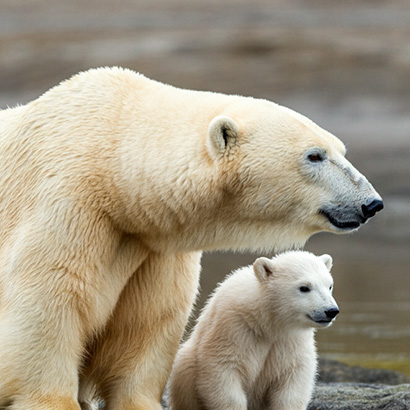
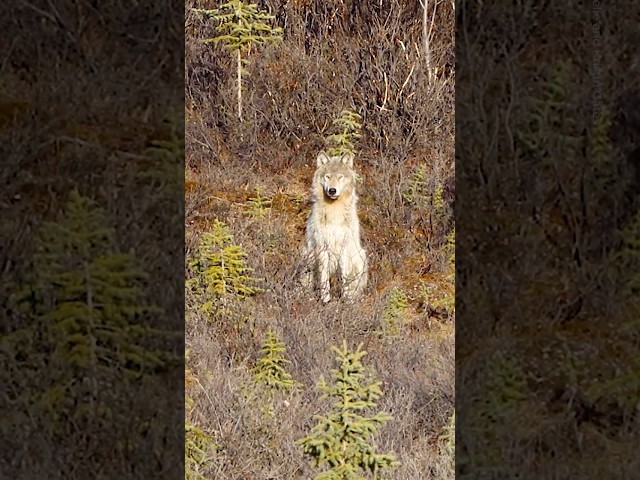
Happy 65th Anniversary to the Arctic National Wildlife Refuge!
For over six decades, this vital refuge has protected unique ecosystems and diverse wildlife, serving as a cornerstone of conservation.
Its enduring legacy is a testament to the importance of preserving America's natural heritage.
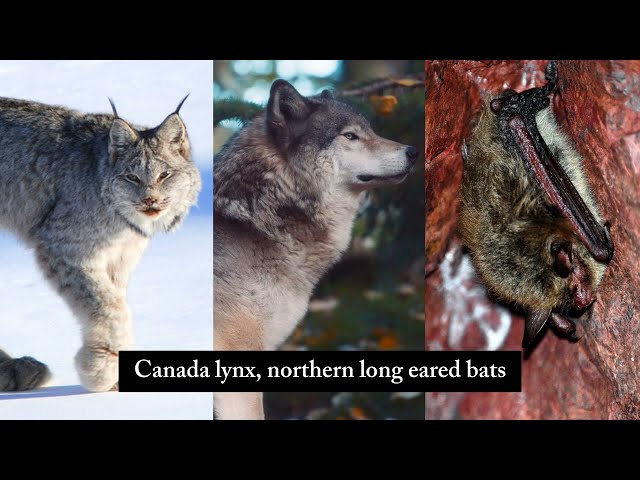
Far-right Republicans have launched another congressional "investigation" targeting the Center for Biological Diversity (CBD). CBD condemns this as a fraudulent abuse of power, designed to intimidate opponents. However, CBD remains unintimidated and is prepared to fight back aggressively.
CBD's Executive Director immediately called for Congress to investigate a real scandal: a Chilean billionaire and his mining company spent millions influencing Trump officials to reverse protections for the Boundary Waters Wilderness Area. This mine threatens endangered species and public lands. Suckling offered to testify publicly about these shady dealings, including corporate donations to the "investigators." CBD is committed to protecting wildlife and public resources.

A walrus enjoys a simple day: dining on clams and mussels, swimming, and socializing with thousands of friends on shore. They also groom their impressive tusks and whiskers.
Discover a behind-the-scenes look into the daily life of a Pacific walrus.

@wildcorwin offers insights into vital conservation efforts. Time-tested and bipartisan policies like the Marine Mammal Protection Act and Endangered Species Act have successfully recovered beloved animals, including condors, whales, and bald eagles.
Our country's wild legacy is one of protection, not destruction. Recognizing this history helps us remember the wild spirit within ourselves.

We can’t imagine Yellowstone without wolves, the Everglades without alligators, or the U.S. without bald eagles. A world without wildlife is unthinkable.
The Endangered Species Act (ESA) has protected these iconic species and many others. Its continued success relies on our commitment to protect it.

Winter is a time for rest, peace, and patience, anticipating spring's arrival.
It's an ideal period to connect with the natural world, embracing its quiet rhythm and settling in for a while.

Do you juggle grocery runs, enjoy a good meal, or wrangle kids at bedtime? If so, you might have more in common with an Alaskan brown bear than you think!
We spoke with a brown bear mom who offered a glimpse into her daily life with cubs. Discover how your routine compares to hers.

Tiny worlds and lives exist all around you—at your feet, in the air, and in your backyard. Moving too quickly means you might miss them.
Beyond just smelling the roses, practice the art of noticing. Listen to the birds, observe the deer, and truly see the subtle beauty of your surroundings.
We all share a common goal: to protect iconic wildlife like bald eagles, wolves, and sea otters. We also strive for clean land, air, and water, ensuring ecosystems remain strong and stable.
That's why we consistently advocate for wildlife protection, working to preserve these vital natural resources for everyone.

We loved seeing wildlife conservation represented on the dance floor. Congratulations, #robertirwin; the animals are celebrating your dedication today.
Missing your weekly show? Tune into Defenders of Wildlife's videos, blogs, and news instead to champion wildlife conservation.

Brown bears are iconic inhabitants of wild landscapes across the Northern Hemisphere. These powerful omnivores are crucial to their ecosystems, demonstrating remarkable adaptability.
Known for their strength and diverse diets, brown bears thrive in varied habitats. Their presence signifies healthy, robust wilderness areas.
The Center for Biological Diversity, a 501c3 nonprofit based in Tucson, Arizona, works to secure a future for all species. Believing human welfare is deeply linked to nature's diversity, they protect endangered plants and animals through science, law, and creative media, focusing on essential lands, waters, and climate. Their goal is a world where wildness thrives for future generations.
To learn more or get involved, visit their website: biologicaldiversity.org. Follow them on social media: Twitter, Facebook, Instagram, and TikTok. You can also take action or email inquiries to center@biologicaldiversity.org.
The Center for Biological Diversity is a leading organization of lawyers, scientists, and activists. They champion endangered species and habitat protections worldwide.
Learn more: biologicaldiversity.org

One species can protect an entire ecosystem. These are known as "umbrella species," exemplified by the northern spotted owl.
Their habitat supports not only themselves but also hundreds of other plants and animals. Protecting these key species thus safeguards whole ecosystems.

Unchecked extinction and unprotected wildlife mean losing more than just animals. We risk losing our greatest teachers, furry friends, and vital ties to the natural world—all within our lifetime.
However, through the Endangered Species Act and similar policies, we can ensure their safety.

The Center for Biological Diversity, a 501c3 nonprofit based in Tucson, Arizona, believes human welfare is deeply linked to nature and its vast biodiversity. Through science, law, and creative media, we work to secure a future for all species on the brink of extinction, focusing on protecting the lands, waters, and climate for survival.
We envision a future where the wild endures. Visit biologicaldiversity.org to learn more and take action, including alerts at biologicaldiversity.org/action/alerts. Connect with us on Twitter, Facebook, Instagram, and TikTok. For questions or media inquiries, email center@biologicaldiversity.org.

Some native North American animals, though perhaps perceived as creepy, are undeniably cool and absolutely worth protecting. Their unique ecological roles are vital.
Defenders of Wildlife is dedicated to the protection and restoration of all native species across North America, ensuring even these often-misunderstood creatures thrive.

Witness the magnificent California condor in its natural habitat. As North America's largest land bird, it boasts an impressive 10-foot wingspan.
Watch it soar to heights of 15,000 feet, traveling up to 250 miles daily in search of its next meal.

Dr. Goodall, thank you for illuminating our understanding. Your insights highlight our profound responsibility to this world, our neighbors, and all life.
True care emerges only when we grasp this fundamental connection. It is our duty to protect and nurture our shared planet.

We all share a profound love for wildlife and our planet's wild places. These natural wonders are invaluable national treasures, essential for our future and the health of the global ecosystem.
Without collective action to protect them, these precious environments and the species they harbor face irreversible loss. It is imperative that we unite to safeguard them for generations to come.
Environmental Scientist and Advocate
What EarthSayers stands for
Discover Diverse Voices on EarthSayers
Unlike algorithm-driven platforms that push you into a content bubble, we ensure you hear a variety of perspectives from scientists, activists, Indigenous leaders, business innovators, and everyday citizens working toward sustainability.
EarthSayers CINEMA
Watch, learn and lead—sustainability starts with you.
How to Live on Earth | Feature Documentary | Presented by Benedict Cumberbatch
What if the solutions to building a better future already exist? How to Live on Earth is an ambitious documentary that explores how humanity can create a thriving future by collaborating with nature. Presented by Benedict Cumberbatch, the film reveals the potential of teaming up with nature to address our greatest challenges.
Heartwarming and energizing, it offers a hopeful vision for a future where both nature and humanity can thrive. How to Live on Earth is produced by Open Planet Studios in association with Villars Institute Foundation and Silvania. Join the conversation by downloading film assets and sharing your reaction at howtoliveonearth.net/social-toolkit. Explore educational resources from the Villars Institute at YouTube.


